
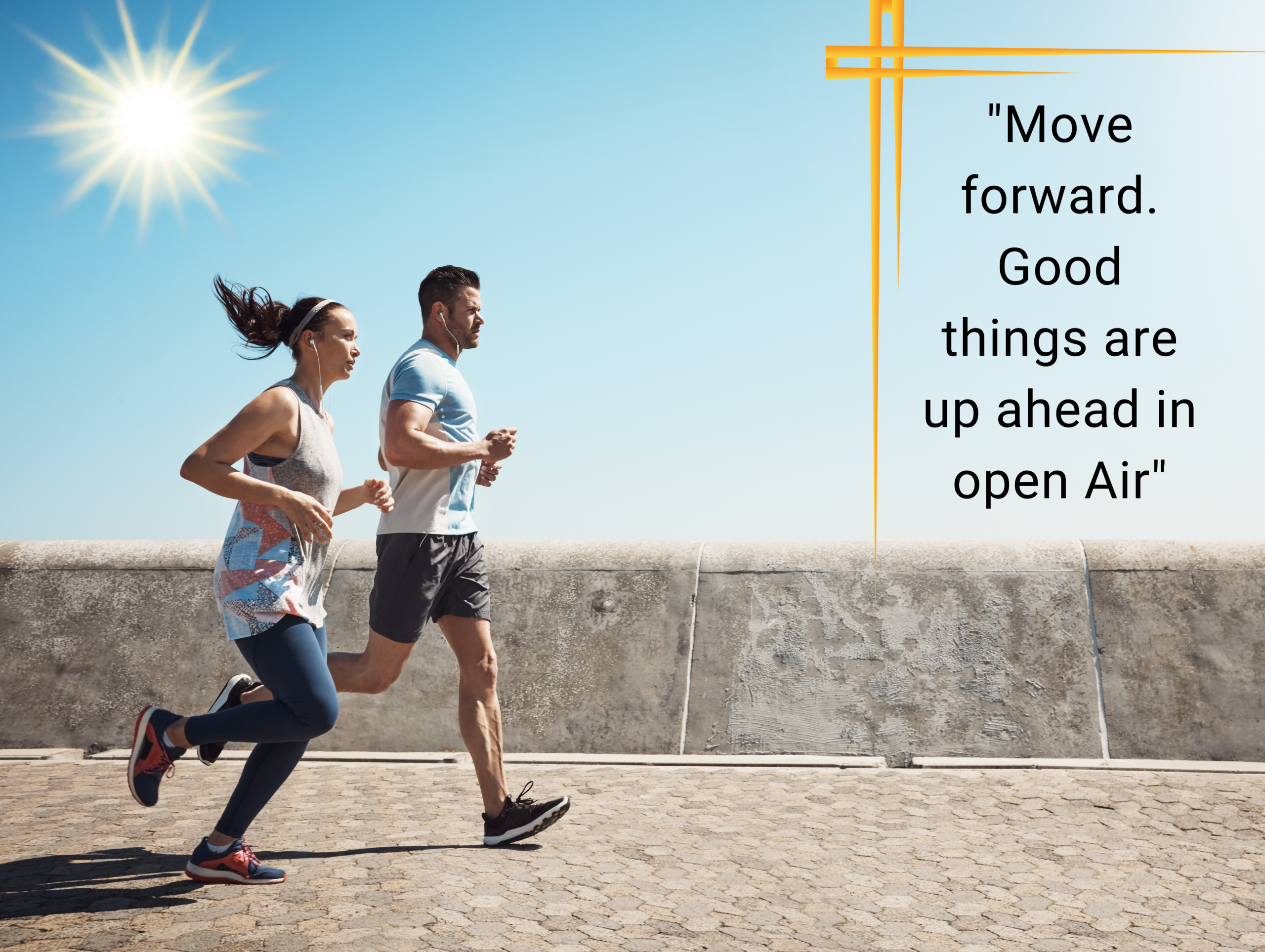
What is Open Air Exercise
Open Air Exercise -Practice alludes to actual work that is arranged, organized, and tedious to improve or keeping up with actual wellness, wellbeing, and by and large prosperity. Weightlifting, yoga, swimming, group activities, and energetic strolling and racing are all forms of exercise.
How it works of Open Air Exercise :
The vital parts of Open Air Exercise activity include:
1.Cardiovascular Exercise: Exercises that hoist the pulse and increment breathing, like running, cycling, or swimming, which work on cardiovascular wellbeing and perseverance.
2.Strength Training: Activities that use opposition, like lifting weights or loads, to build strength, bulk, and work on bone thickness.
3.Flexibility and Balance: extending activities and exercises that improve adaptability, portability, and equilibrium, such as yoga and Pilates.
If you want to Health Benefits of Open Air Exercise you can Regular physical activity is essential for maintaining good health and lowering the risk of other ongoing conditions like heart disease, diabetes, and obesity. It also improves mental health by reducing stress, anxiety, and depression while improving sleep and mental capacity. Individual wellness goals and wellbeing considerations can influence the type and intensity of the activity.
What mean physical exercise in Open Air Exercise?
The term “outdoor work out” typically refers to actual activities or exercises performed in open spaces like parks, fields, or other typical habitats. This term is normally used to stress the advantages of practicing outside rather than indoor settings like rec centers or wellness focuses.
There are a few expected benefits to practicing Open Air Exercise:
1. Fresh Air and Sunlight: Practicing outside permits you to inhale natural air and advantage from regular daylight, which can decidedly affect state of mind, energy levels, and generally prosperity.
2. Variety of Terrain: The environment outside frequently provides a variety of terrain, such as asphalt, grass, or soil trails, which can broaden your exercise options and strengthen different muscles.
3. Connection to the Natural World: Spending time in nature can help you feel less stressed, more relaxed, and more connected to the real world.
4. Free or Low Cost: Open Air Exercise is a smart way to stay active because it’s usually open to everyone and free. Instances of outside practices include:
Running or Jogging: Running outside on trails or in parks.
Cycling: Riding a bike on bicycle ways or panoramic detours.
Walking: Going for energetic strolls in nature saves or along sea shores.
Outside Sports: Playing sports like soccer, ball, or tennis in open fields or courts.
Calisthenics: performing exercises with one’s own bodyweight, such as push-ups, squats, or lurches, outside.
Because of its stimulating and reviving qualities, many people prefer to exercise outside. Still, when practicing outside, it’s important to think about the weather, safety precautions, and any local regulations.
Benefit of Open Air Exercise?
Workout in the open air, also known as outside exercise, has many benefits for the body, mind, and local prosperity. Here are a few vital benefits of integrating outside practice into your daily schedule:
1. Fresh Air and a Regular Setting: When you practice outside, you can breathe in fresh air, which can boost your sense of empowerment and general prosperity. Being encircled commonly and normal scenes can assist with lessening feelings of anxiety and further develop temperament.
2. Vitamin D Production: Openness to daylight during outside practice advances the union of vitamin D in the skin, which is fundamental for bone wellbeing, resistant capability, and generally health.
3. Challenge and Variety: Outside conditions offer a different scope of landscapes and settings, like paths, parks, sea shores, and mountains, giving chances to shifted and testing exercises.
Strolling or running on lopsided surfaces can connect with various muscles and further develop equilibrium and coordination.
4. Better mental well-being: Exercising outside has been linked to improved emotional well-being, including a reduction in feelings of sadness and tension. Being in natural settings can help you relax, reduce stress, and improve your mental capacity.
5. An increase in enjoyment and inspiration: Many individuals track down out door practice more charming and rousing than indoor exercises, prompting expanded adherence to work-out schedules.When compared to indoor settings, Open Air Exercises may feel less repetitive due to the shifting landscape and investigation-like atmosphere.
6. Social Interaction: Participating in group activities like climbing or playing group sports in a park frequently opens doors to social cooperation. During an activity, social commitment can boost inspiration and foster a sense of community.
7. Boosted Safe Function: Spending time outside and working hard can strengthen your safety net and make you more resistant to illness.
8. Improved Quality of Sleep: It has been demonstrated that regular open air improves rest quality and promotes a more peaceful night’s sleep. 9. Cost-Compelling and Accessible:
When compared to memberships at a recreation center or specific equipment, outdoor practice is typically more accessible and cost-effective. Parks, trails, and public spaces give free or minimal expense settings for active work.
In general, outside practice combines the benefits of actual work with the beneficial effects of nature and open air conditions to provide an all-encompassing approach to wellness and prosperity. Whether it’s strolling, running, cycling, climbing, or rehearsing yoga in the recreation area, integrating outside practice into your routine can add to a better and more adjusted way of life.
Time of Open air exercise
The best time to exercise outside can vary based on personal preference, plan, and environmental factors. In any case, a few general thoughts regarding the timing of outside activities are as follows:
1. Morning: Practicing in the first part of the day can be strengthening and set an uplifting vibe for the afternoon. In general, the air is cleaner, and open spaces are frequently calmer in the early hours. Morning activity can likewise assist with helping digestion and energy levels over the course of the day.
2. Evening: After a busy day, nighttime exercises can be a great way to relax and relieve stress. The temperature will in general be cooler at night, which can make outside practice more happy with during blistering climate. Notwithstanding, it’s fundamental to guarantee that you have sufficient sunshine remaining or practice in sufficiently bright regions for wellbeing.
3. Avoid the Midday Heat: If you live in a warm area, try not to smoke outside during the most active part of the day—usually between 10 a.m. and 4 p.m.—if possible. Practicing in outrageous intensity can expand the gamble of intensity related sicknesses, for example, heat depletion or intensity stroke. In the event that you should practice during these hours, pick concealed regions, wear light dress, and remain hydrated.
4. Seasonal Considerations: In colder environments or during cold weather months, you might like to practice outside when temperatures are milder, like early in the day or early evening. In cooler weather, dressing appropriately and in layers can help you remain open.
Finally, the ideal time for Open Air Exercise is when you are generally motivated and can consistently incorporate it into your daily routine. It is essential to pay attention to your body and select a time that fits your schedule and energy levels. Also, whenever you practice outside, keep your wellbeing in mind by thinking about weather patterns, perception, and traffic.
How many duration Open air exercise
The recurrence and span of outdoors exercise can shift in light old enough and individual wellness objectives. Here are a few basic rules for suggested practice terms and frequencies across various age gatherings:
1. Children and adolescents (6-17 years old): Sort of Exercise: Youngsters and teenagers ought to take part in different proactive tasks, including oxygen consuming activity (like running or swimming), muscle-reinforcing exercises, (for example, push-ups or climbing), and bone-fortifying exercises (like bouncing or running).
Duration: Go for the gold an hour of moderate to overwhelming active work consistently.
Exercise should ideally be performed on a daily basis, with at least three days per week dedicated to strengthening and adaptability-enhancing activities.
Frequency: Exercise should ideally be performed on a daily basis, with three days a week dedicated to strengthening and adaptability-enhancing activities.
2. Adults ( Ages 18-64) : Type of Exercise: Adults should focus on a mix of vigorous exercise, muscle-building exercises, and flexibility exercises. Each week, aim for 150 minutes of moderate-power, oxygen-consuming activity (such as energetic walking) or 75 minutes of explosive power, high-impact exercise (such as running). At least two days per week should be spent performing exercises that strengthen the muscles. Frequency: Perform muscle-building exercises on days when you don’t succeed and spread out high-impact exercises on a regular basis.
3. Older Adults (those over 65): Type of Exercise: In addition to vigorous exercises, older adults should focus on practices that maintain or further develop strength, adaptability, and equilibrium. Duration: Do at least two days a week of muscle-reinforcing exercises in addition to 150 minutes of moderate-power oxygen-consuming activity or 75 minutes of overwhelming force vigorous activity. Frequency: Spread practice meetings over time, and consider consolidating exercises that elevate adaptability and adjust to lessen the gamble of falls.
The recurrence and span of outdoors exercise can shift in light old enough and individual wellness objectives. Here are a few basic rules for suggested practice terms and frequencies across various age gatherings:
1. Children and adolescents (6-17 years old):
Type of Exercise: Children and adolescents should engage in a variety of proactive activities, such as oxygen-consuming activities like running or swimming, muscle-reinforcing activities like push-ups or climbing, and bone-fortifying activities like bouncing or running. Duration: Consistently put in an hour of moderate to intense active work to win. Exercise should ideally be performed on a daily basis, with at least three days per week dedicated to strengthening and adaptability-enhancing activities.
2. Adults, ages 18 to 64:
Type of Exercise: Adults should focus on a mix of vigorous exercise, muscle-building exercises, and flexibility exercises. Each week, aim for 150 minutes of moderate-power, oxygen-consuming activity (such as energetic walking) or 75 minutes of explosive power, high-impact exercise (such as running). At least two days per week should be spent performing exercises that strengthen the muscles. Frequency: Perform muscle-building exercises on days when you don’t succeed and spread out high-impact exercises on a regular basis.
3. Older Adults (those over 65):
Type of Exercise: In addition to vigorous exercises, older adults should focus on practices that maintain or further develop strength, adaptability, and equilibrium. Duration: Do at least two days a week of muscle-reinforcing exercises in addition to 150 minutes of moderate-power oxygen-consuming activity or 75 minutes of overwhelming force vigorous activity. Frequency: Spread practice meetings over time, and consider consolidating exercises that elevate adaptability and adjust to lessen the gamble of falls.
It’s vital to take note of that these are general proposals, and individual activity needs might differ in view of wellbeing status, wellness level, and explicit objectives. Before starting a new exercise routine, it is always a good idea to talk to a health professional or medical provider, especially if you have any health issues or problems. Additionally, there may be additional advantages to incorporating open-air practice into daily routines.
Review – Health Benefits of Open Air Exercise
The Health Benefits of Open Air Execise. A refreshing alternative to indoor fitness routines is open air exercise, or outdoor workouts. People can get natural sunlight by going outside, which makes them more vitamin D and helps them feel better in general. Exercising in open environments also enhances mental clarity, reduces stress through nature immersion, and encourages greater consistency thanks to varied and stimulating surroundings. Outdoor fitness activities, such as jogging in the park or participating in group boot camps on the lawn, aid in the development of social connections and produce workouts that are both more enjoyable and more productive.
Conclusion – Open Air Exercise
Open Air Exercise is more than just a fad; it’s a big change to your way of life. Physical activity, fresh air, and natural elements all contribute to better health and mental clarity. Working out outside has holistic benefits that are difficult to duplicate in a gym, whether you want to build strength, improve your cardiovascular health, or boost your mood. Therefore, put on your sneakers, step outside, and allow nature to energize your fitness journey.